
Digestion and the gut microbiome are connected with nutrition, immunity and communication between the gut and brain. These relationships are complex. Here are ten practical habits to explore without expecting one food or routine to solve every symptom.
Why pay attention to gut health?
The gut microbiome includes the microorganisms living in the digestive system. It cannot be reduced to a single “good” bacterium. Relevant topics include:
- Immunity: the gut is an important site of interaction with the immune system; a precise percentage is not needed to explain its role.
- Nutrient absorption: digestion allows the body to use nutrients from food. Persistent absorption problems need assessment.
- Mental well-being: the gut and brain communicate in both directions. This does not mean changing a meal treats a mental-health condition.
- Digestive comfort: bowel habits, bloating and food tolerance differ between people. No food guarantees symptom-free digestion.
Ten everyday habits to explore
1. Try fermented foods you enjoy
Yoghurt, kefir, sauerkraut, kimchi and kombucha are options. Some contain live microorganisms, depending on processing and storage; not every fermented food is a probiotic with a demonstrated health benefit. Choose products you enjoy and tolerate rather than expecting an identical effect from each.
2. Consider prebiotic fibres
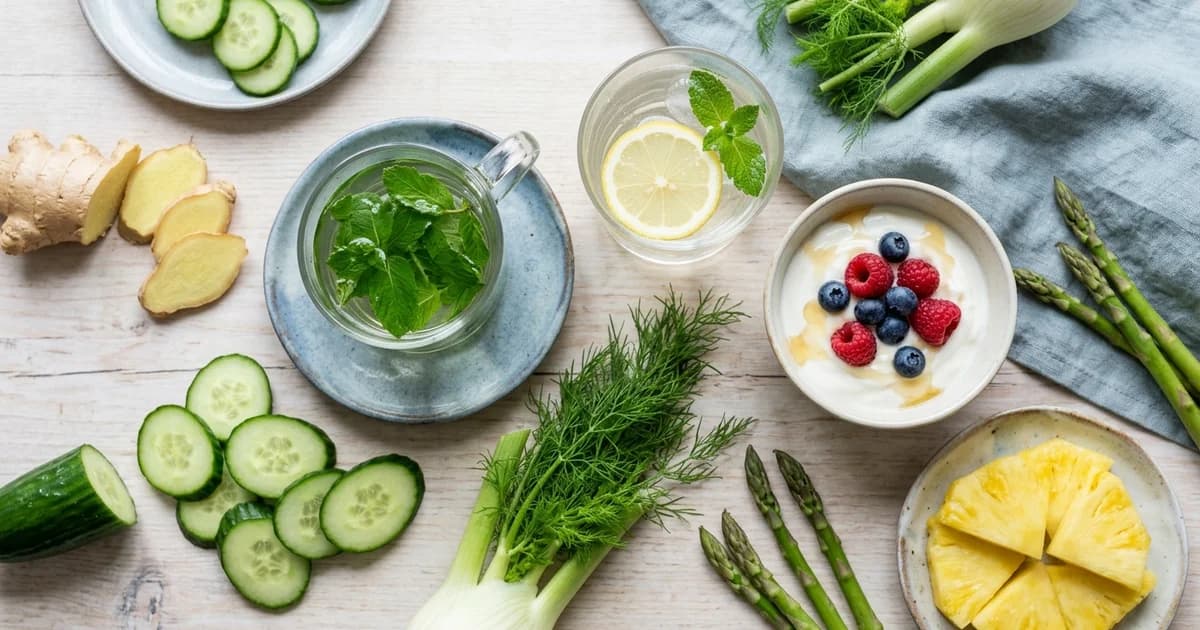
Some fibres provide a substrate for gut bacteria. Food examples include onions and garlic, leeks and asparagus, bananas—particularly slightly green ones—and oats and wholegrains. Increase fibre gradually if a sudden change causes gas or discomfort. Individual digestive conditions may need tailored advice.
3. Vary plant foods
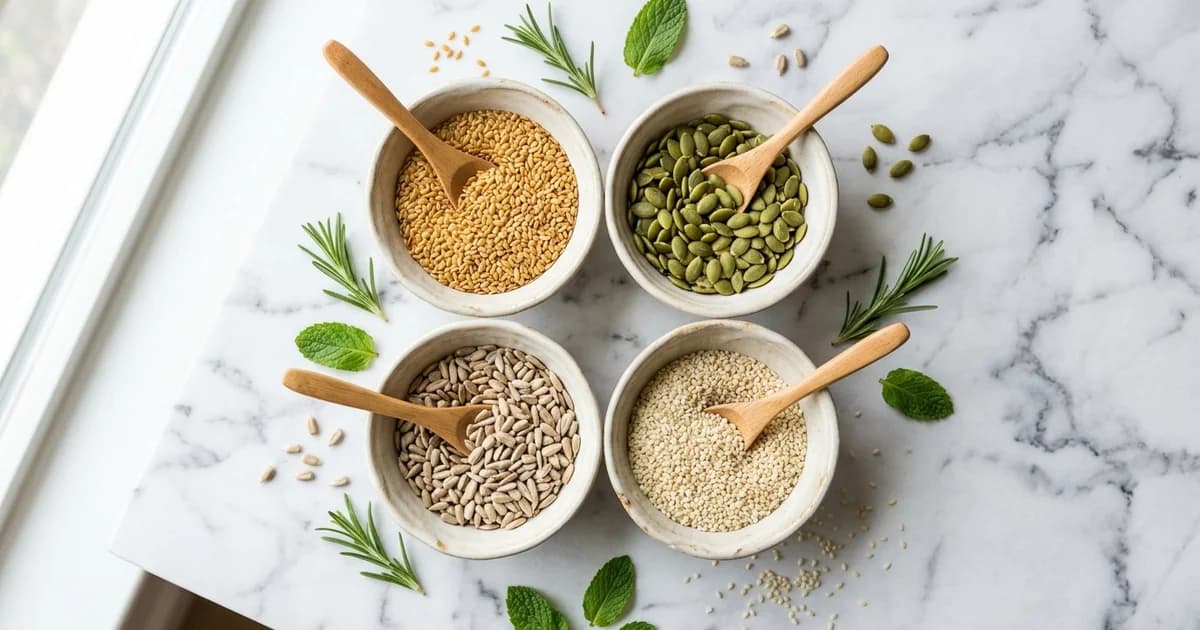
Fruit, vegetables, legumes, nuts, seeds, herbs and spices provide different fibres and flavours. A challenge such as 30 plant foods a week can inspire variety, but it is not a medical threshold or a requirement for a healthy microbiome. Work with your budget and preferences.
4. Make room for simple home-cooked meals
Alternating ready-made meals with cooking can make it easier to include vegetables, beans and wholegrains. Processing alone does not tell you whether a food fits your needs. Avoid treating all sugar or additives as automatically harmful to the microbiome; the overall pattern matters.
5. Drink regularly
Fluids help fibre work and can make stools easier to pass. The NIDDK guidance on constipation, food and drink recommends adjusting fluid intake to personal circumstances. Around 1.5–2 litres is a common everyday reference, not a prescription for everyone: heat, activity and medical fluid restrictions can change it.
6. Move in ways that fit your day
Walking, cycling or suitable yoga are accessible options. Pick something you can enjoy regularly. Movement does not have to become a performance target for digestion, and it cannot guarantee a particular microbiome composition.
7. Make space for rest and relaxation
Stress can be felt in the gut. Meditation, slow breathing or time outdoors can offer a pause. Notice what helps you personally; persistent digestive symptoms should not simply be attributed to stress.
8. Protect time for sleep
Try a regular schedule and enough time to rest. Seven to eight hours is a common reference, though needs vary. Sleep and the microbiome are studied together, but this does not make a fixed sleep target a treatment for gut symptoms.
9. Eat at a comfortable pace and chew
Digestion begins in the mouth. Taking time to chew and avoiding rushed meals can make eating more comfortable and help you notice your own sensations. It is not a guarantee of better nutrient absorption.
10. Explore the Bauchgefühl app
The app offers recipes by cycle phase, cycle tracking and articles. Use it to find meal ideas and keep your cycle in mind when planning what to cook.
Where to start
Choose one or two manageable habits, then adapt them to your tastes and tolerance. Persistent or unusual symptoms deserve medical advice; general information does not replace diagnosis.
Explore Bauchgefühl’s recipe and tracking features for more about the app.