Wanting something sweet before your period is not a character flaw. Appetite, habits, sleep, stress and hormonal changes can all play a part. The aim of these eight strategies is to make eating more manageable, not to eliminate every craving or prescribe a «perfect» pre-period diet.
An occasional craving and repeated eating episodes with a sense of losing control are not the same thing. If eating feels distressing or out of control, support is more useful than another list of rules.
Why cravings can change before your period
During the luteal phase, progesterone and oestrogen change and then fall before menstruation in an ovulatory cycle. Research explores links with appetite, glucose regulation, mood and neurotransmitters. The pattern and magnitude vary: a craving does not reveal your blood glucose, serotonin level or nutrient status.
Some people eat more in the luteal phase. A review of energy intake across the cycle, PMID 36367830, describes variable findings rather than one fixed extra amount for everyone. Short sleep, long gaps between meals and stress can also affect what feels appealing.
Strategy 1: Build meals that satisfy you
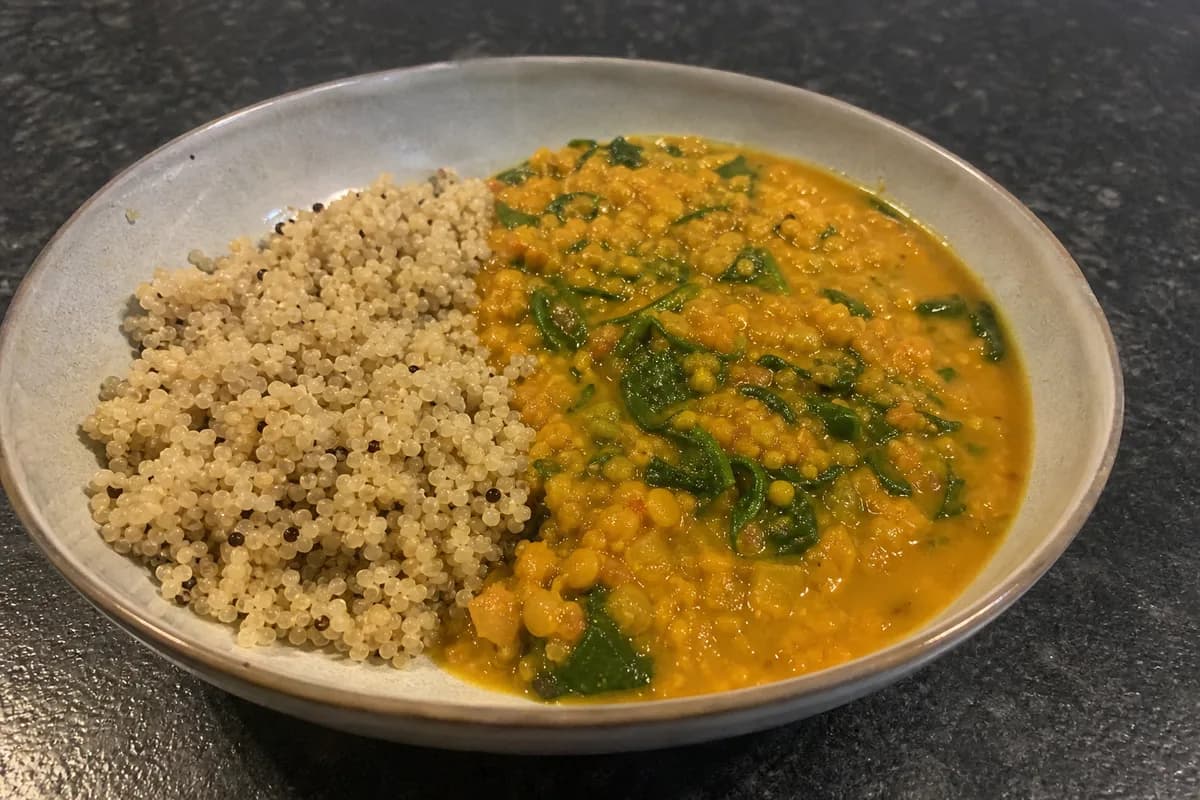
Instead of trying to keep breakfast tiny, combine foods that give you enough to eat: oats with milk and nut butter, yoghurt with nuts and fruit, or eggs with avocado and bread. Protein, carbohydrate and fat can all belong in the meal.
Wholegrains and legumes offer fibre, but white bread or rice is not forbidden. A sourdough loaf is not automatically wholegrain, so choose by ingredients and preference rather than a health halo. A meal pattern can support regular eating without guaranteeing that cravings disappear.
Strategy 2: Include magnesium-containing foods
Pumpkin seeds, nuts, spinach, black beans, edamame and cocoa contribute magnesium. Use them as toppings, snacks or parts of meals. Wanting chocolate does not prove your body is asking for magnesium.
Do not turn a craving into a supplement prescription. Our magnesium guide separates dietary intake, deficiency and supplementation, including the limits of the PMS evidence.
Strategy 3: Distribute meals and protein through the day
If long gaps leave you very hungry, try a breakfast or planned snack that fits your routine. Yoghurt, eggs, tofu, beans, fish and nuts offer different ways to include protein. You do not need one universal grams-per-meal target.
A snack may be fruit with nut butter, hummus with bread or vegetables, or leftovers from lunch. Eat enough overall; adding protein while continually restricting the rest of the meal may not address hunger.
Strategy 4: Allow chocolate without making it medicinal
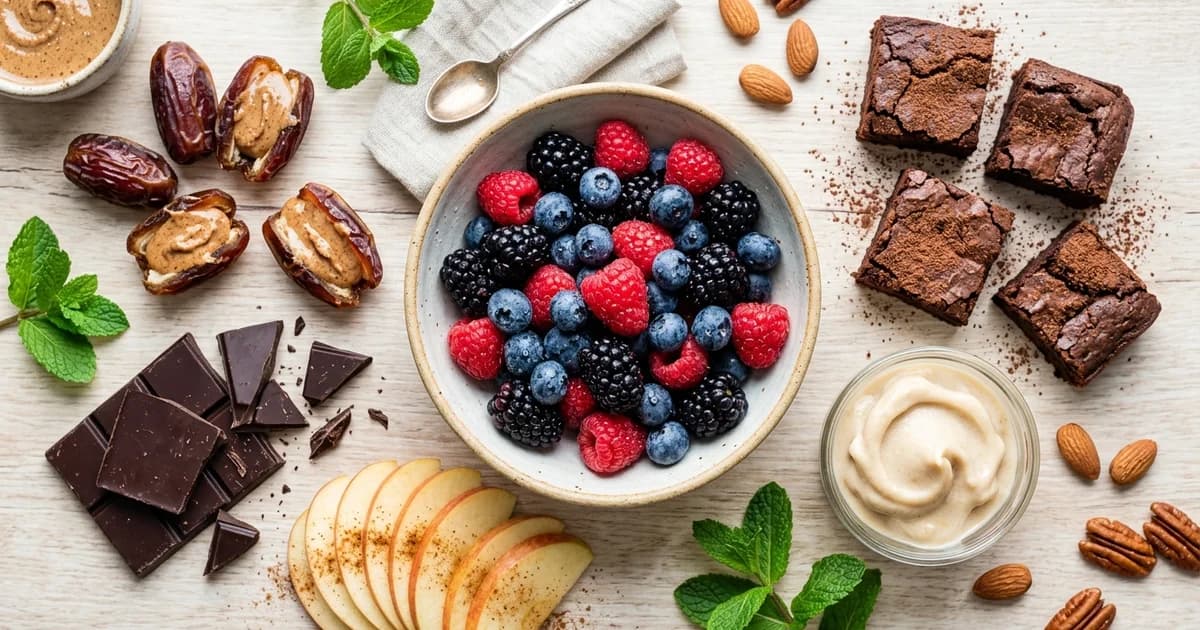
Chocolate can be part of ordinary eating. Choose the kind you enjoy, whether or not it has a high cocoa percentage. A few pieces may be what you want; the point is not to grade yourself against a prescribed amount.
Dark chocolate contains cocoa compounds and magnesium, but it is not a treatment for PMS. If you repeatedly feel unable to stop eating and are distressed afterwards, avoid interpreting that as poor willpower or trying to fix it with stricter bans.
Strategy 5: Make sleep easier where possible
Poor sleep can affect appetite and food choices. A regular wind-down, a comfortable bedroom and adjusting late caffeine or alcohol if they disturb your sleep may help your routine. Shift work, caregiving and insomnia can make this difficult; imperfect sleep is not a personal failure.
The earlier suggestion to take magnesium glycinate before bed is not a general recommendation. Persistent sleep difficulties deserve assessment, and a supplement is not required to practise a wind-down routine.
Strategy 6: Drink regularly, without using water to suppress hunger
Keep drinks available, especially in heat or during activity. Thirst and hunger can coexist, and a glass of water does not tell you whether a craving was «real».
If you are hungry, eating is appropriate. There is no requirement to drink, distract yourself and pass a waiting test before having a snack. If thirst is unusually persistent or accompanied by other symptoms, seek advice rather than attributing it to the cycle.
Strategy 7: Keep movement flexible
Walking, stretching, gentle yoga or dancing can be enjoyable options. Adjust to symptoms and energy, and rest when you need to. Movement is not a payment for dessert and cannot be promised to interrupt every craving.
A short walk may fit one day; another day may call for less. Our luteal-phase food guide offers related context without requiring a fixed workout schedule.
Strategy 8: Accept that your hunger may be higher
A larger meal or an extra snack can be a reasonable response to hunger. You do not need to force yourself back to the same intake every cycle day or calculate a fixed extra calorie allowance.
Try adjusting portions and noticing whether you feel satisfied. This differs from assuming everyone needs precisely the same increase or treating all loss-of-control eating as a normal hormonal event.
Two additional nutrient questions: chromium and vitamin B6
Chromium remains a research question, not a standard recommendation for cycle-related cravings. Broccoli, wholegrains and beans can be ordinary foods; buying chromium picolinate is not a necessary next step.
Vitamin B6 participates in normal metabolism. Chickpeas, fish, poultry, bananas, potatoes and fortified foods can contribute. That does not establish a supplement as a reliable craving treatment. Avoid the earlier blanket suggestion that anything below 100 mg per day is safe: supplemental B6 can cause nerve damage, and product combinations can add up. Ask a professional before taking it for symptoms.
These topics are retained separately so that the eight practical strategies remain about meals, sleep, fluids, movement and hunger rather than an eight-item supplement list.
What is unlikely to help
Trying to overpower hunger: repeatedly skipping meals or imposing very rigid food rules can make eating harder. Seek support if restriction and loss of control become a cycle.
Assuming sweeteners solve everything: they may fit some people's preferences, but replacing every sweet food is not a guaranteed solution. They should not be described as universally causing cravings either.
Waiting for a «clean» week: food does not need to be perfect. Practical, sufficient meals often matter more than pursuing an ideal label.
Frequently asked questions
Are cravings and binge episodes before a period normal?
Cravings can occur, but recurrent loss of control, distress or compensatory behaviours deserve support. Do not dismiss those experiences as something you simply have to tolerate every month.
Why do I specifically want chocolate?
Taste, habit, reward, mood and hunger can contribute. The preference does not diagnose magnesium deficiency or prove a particular hormone level.
Should I ignore the craving?
You do not need to ignore hunger. Consider whether you need a meal, a snack, rest or support, without requiring yourself to earn food. Eating the food you want can be part of an ordinary response.
When is it a problem?
Seek help if episodes are frequent, distressing, feel out of control, involve compensating afterwards or interfere with daily life. A clinician or dietitian experienced in eating disorders can help assess the situation.
Does intermittent fasting help?
It is not established here as a treatment for pre-period cravings. If long fasting windows leave you overly hungry or distressed, they may be unhelpful. A history of disordered eating is a reason to seek personalised support rather than start a restrictive routine.
Does more protein stop cravings?
It can make a meal more substantial, but it does not guarantee an end to cravings. Adequate total food and a pattern that suits you matter too.
How many days before a period do they start?
Timing varies. Recording a pattern may be useful if you want to discuss it with a professional, but there is no required number of days or reason to dismiss symptoms outside that window.
Can supplements stop them?
No supplement in this article provides that guarantee. Assess food intake and symptoms, and discuss a specific product if needed rather than stacking magnesium, B6 and chromium.
For more cooking ideas, see PMS food and recipes and ten luteal-phase recipes. The app information page describes recipe and cycle-tracking features; it does not promise to treat cravings.
This article provides general information, not individual medical care. Severe premenstrual symptoms or eating concerns deserve qualified support.