The luteal phase runs from ovulation until the next period. Some people notice more hunger, different food preferences, bloating or mood symptoms. Those experiences are not a character flaw, and they are not proof that the previous week was nutritionally «wrong».
Here are four food-related themes, practical meal examples and the limits of phase-specific advice.
What happens biologically?
After ovulation, the corpus luteum produces progesterone. If pregnancy does not occur, hormone levels fall before menstruation. See the NHS explanation of menstrual-cycle hormones. Progesterone is associated with a small rise in basal temperature, but the phase does not begin on day 15 in every cycle or have an identical length for everyone.
Appetite and energy intake can differ across the cycle. The review of cycle-related energy intake, PMID 36367830, describes variation rather than a universal extra calorie amount. It does not justify prescribing everyone another 100–300 calories or the same percentage increase in carbohydrate.
Cravings can reflect several influences, including hunger, habit, sleep and stress. A chocolate craving does not diagnose magnesium deficiency. Recurrent loss-of-control eating or severe mood symptoms deserve support rather than being dismissed as hormonal.
Four nutritional themes
1. Magnesium-containing foods
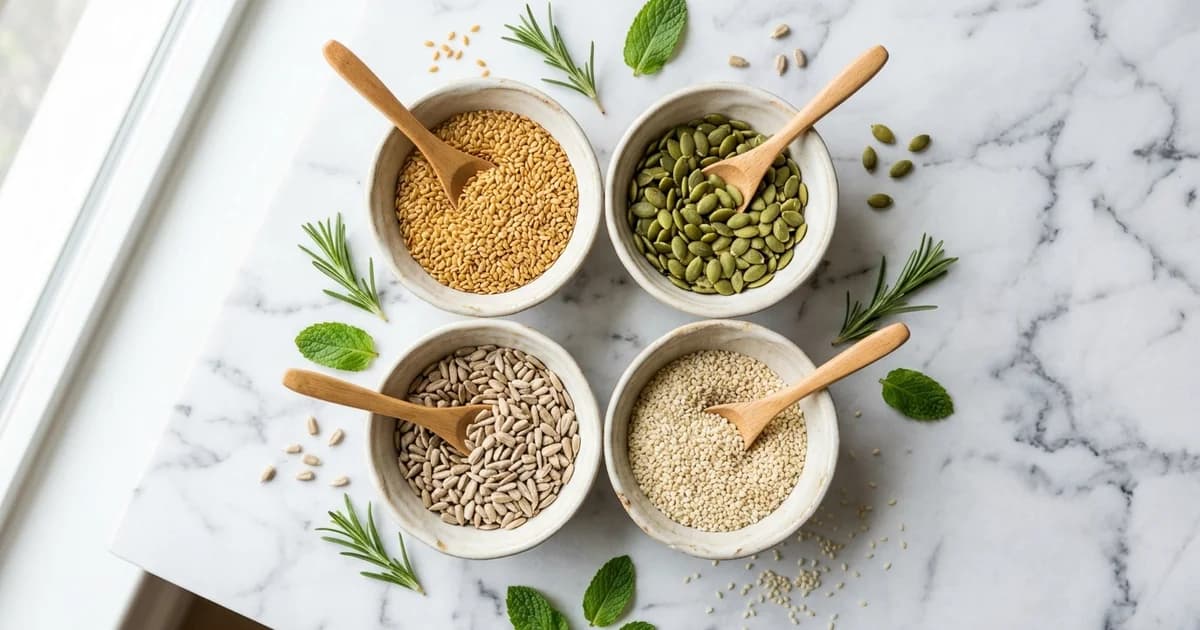
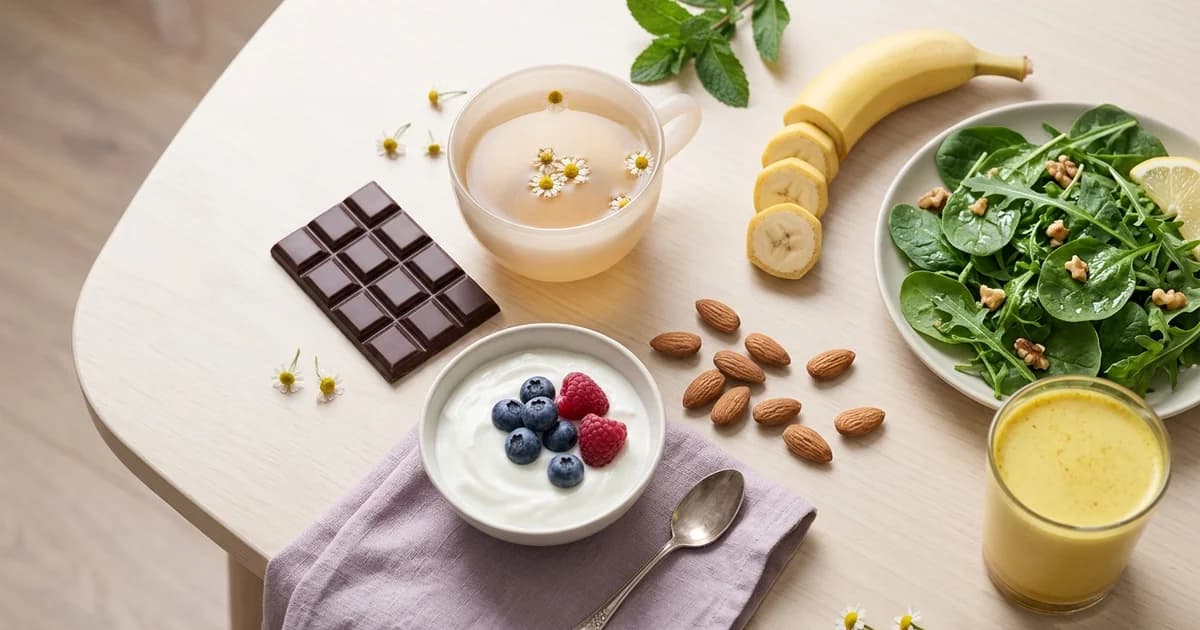
Pumpkin seeds, almonds, cashews, oats, spinach, black beans and cocoa can contribute to magnesium intake. These foods need no special cycle day. Avocado and other foods add smaller amounts as part of the wider pattern.
Magnesium's normal role in muscle and nerve function does not prove a recipe or supplement will relieve PMS. There is no universal progesterone-related depletion rule or requirement to take glycinate at night. See magnesium: food, status and supplementation.
2. Carbohydrates and enough food
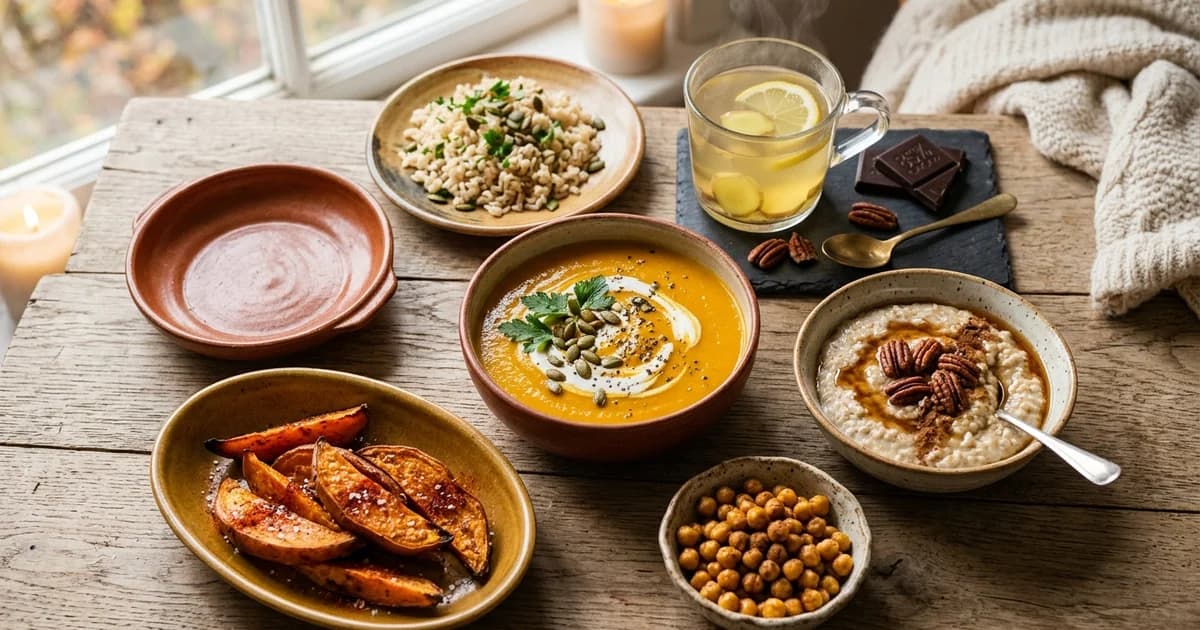
Sweet potatoes, wholemeal rice, oats, millet, quinoa, buckwheat, legumes and root vegetables are options. Bread and ordinary pasta are not forbidden. Combine foods with protein and fat if that makes a satisfying meal, without requiring every snack to follow a formula.
Examples include sweet potato with tahini, oats with yoghurt and seeds, or rice with chicken and greens. These are meal combinations, not a guarantee of stable mood or a promise to prevent every glucose fluctuation.
3. B vitamins, including B6
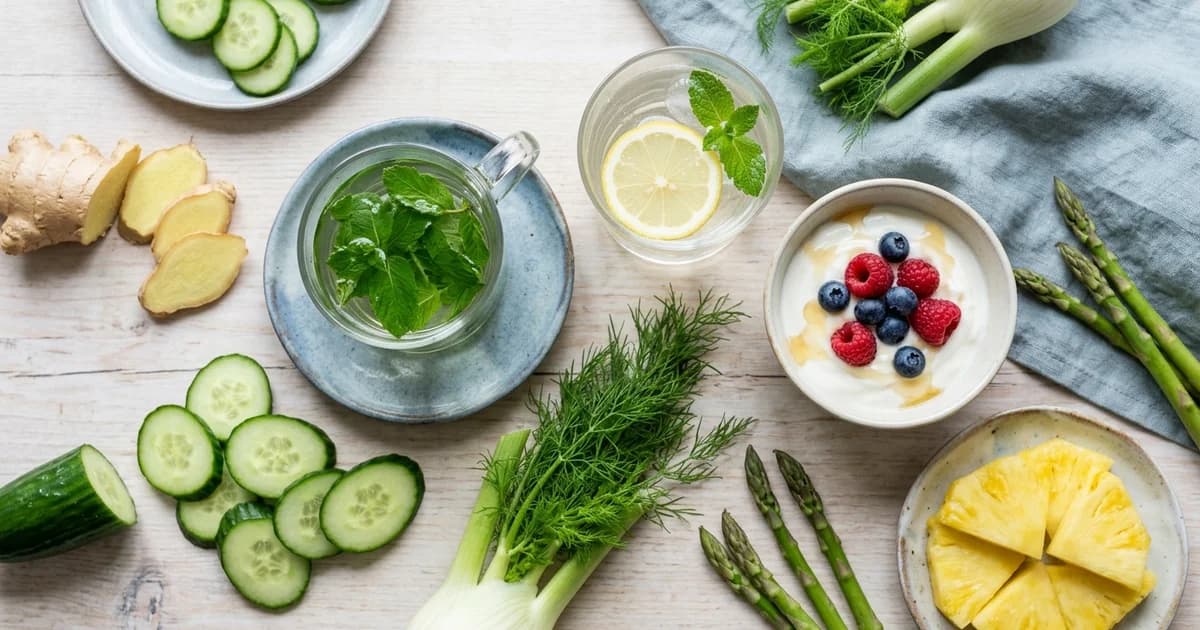
Chickpeas, potatoes, bananas, salmon, poultry and sunflower seeds can contribute B6. Folate is found in greens, lentils and asparagus. B12 is present in animal foods; a vegan diet requires a reliable B12 source regardless of cycle phase.
The role of vitamins in metabolism does not mean concentrated supplements improve symptoms for everyone. Avoid stacking B6-containing products or taking high doses based on PMS claims. Ask about an individual need instead.
4. Fluids and electrolytes
Drink regularly according to your circumstances. Water retention does not by itself diagnose an electrolyte imbalance, and drinking excessive water or taking potassium is not a universal treatment.
Bananas, potatoes, beans, avocado and greens can be ordinary foods. If very salty foods dominate the diet, varying choices may be useful. Do not use detox teas or diuretics to respond to routine bloating without appropriate advice. Persistent or severe bloating deserves assessment.
What might be worth adjusting?
Alcohol: consider its effects on sleep and your wider health context, rather than assigning one cycle day as the only problem.
Caffeine: notice whether late caffeine affects sleep or symptoms. There is no universal cutoff that fits every person or cup size.
Very salty foods and frequent snack-only meals: look at the repeated pattern, not an isolated packet of crisps or a dessert. Regular, sufficient meals can make the day easier.
Spice: if particular foods consistently trigger digestive symptoms, adapt them. Spicy food is not generally forbidden in the luteal phase.
A sample day from the collection
Breakfast: oats with half a banana, almond butter, chia and cocoa.
Lunch: baked sweet potato, black beans, avocado, sautéed spinach and an egg, or a suitable plant alternative.
Snack, if wanted: almonds and dark chocolate.
Dinner: lentil soup, or a quinoa bowl with salmon and vegetables. Chamomile tea can be an evening drink if you like it, without being a treatment.
Further meal options
Porridge with oat milk, cinnamon and pumpkin seeds is another breakfast. Cashews and an apple can be a snack. Try chicken with a sweet potato and bean bowl, or salmon with roasted parsnip, carrot, beetroot, broccoli and brown rice. Rooibos tea, toast with tahini or warm oat milk can fit preferences. None of these needs to be reserved for a specific day.
The examples are not a calorie plan. Adjust portions and substitutions to your hunger and needs.
Digestion and the rest of the cycle
Some people notice constipation or bloating before their period. Fibre-containing foods, fluids and comfortable movement can form part of a routine, but increase fibre according to tolerance. Sudden large amounts can be uncomfortable, and persistent symptoms may have other causes. The NIDDK constipation guidance explains increasing fibre gradually and drinking enough fluid.
A well-fed follicular phase does not guarantee a symptom-free luteal phase. Nor does a difficult period prove that you skipped the «right» food earlier. See gut health, period food and follicular-phase food for related topics.
Frequently asked questions
How long is the luteal phase?
It begins after ovulation and ends at the next period. Length varies; a repeated pattern that concerns you should be discussed with a clinician rather than diagnosed by a fixed calendar range.
Why do I want more sweet food?
Hormonal changes, appetite, habit, sleep and stress may contribute. The preference is not a test of nutrient status. Our eight craving strategies include regular meals and when to seek help.
Does dark chocolate help?
It contains cocoa and magnesium and can be enjoyable. It is not a guaranteed cramp or mood treatment, and you can choose other chocolate without failing a nutritional rule.
Can food completely resolve PMS?
No such outcome can be promised. If symptoms interfere with life, seek evaluation and treatment options. Food, sleep and movement can accompany care but do not replace it.
What if I eat more than usual?
Responding to hunger with a larger meal or snack can be appropriate. There is no fixed extra calorie amount for everyone. If eating repeatedly feels out of control or distressing, ask for support rather than simply labelling it normal luteal hunger.
Can I exercise?
Yes, according to your capacity, symptoms and any individual advice. Adjust intensity or rest as needed; movement is not a way to compensate for eating.
Are magnesium supplements safe?
Suitability depends on dose, kidney function, medication and other products. A general dose ceiling is not a personal safety guarantee. See the separate magnesium guide before assuming a supplement is necessary.
Does seed cycling help?
The four-seed rotation is not established as a treatment for hormone imbalance. Seeds can still be ordinary ingredients. Our seed cycling article separates the recipes from the claims.
Choose from our ten luteal-phase recipes. For more context, see PMS food and recipes, cycle syncing basics and breakfast ideas. This is general information, not individual medical advice.