When Marie and I started building bauchgefuehl.app, one of the most common requests we got was: "Just tell me what to eat each week." Fair enough. Reading about follicular phase nutrition or luteal phase cravings is useful, but sometimes you want a plan you can stick on the fridge and actually follow.
So here it is. Four weeks, four phases, seven recipes, and a framework you can bend to fit your own life. This isn't a rigid diet. It's a starting template built around what each phase of your cycle actually needs from a nutritional standpoint.
How This Plan Works
The plan follows a standard 28-day cycle, broken into four roughly equal weeks. Your cycle probably isn't exactly 28 days (most aren't), and your phases might overlap differently. That's fine. Use this as a compass, not a GPS.
- Week 1 (Days 1 to 7): Menstruation. Focus on iron-rich, warming, anti-inflammatory foods.
- Week 2 (Days 8 to 14): Follicular. Lighter meals, sprouted grains, fermented foods, lean protein.
- Week 3 (Days 15 to 21): Ovulation. Antioxidant-rich, omega-3-heavy, raw and vibrant.
- Week 4 (Days 22 to 28): Luteal. Complex carbs, magnesium-rich foods, blood-sugar-stabilising meals.
Each week includes daily meal suggestions plus a featured recipe. I've kept the recipes simple because nobody wants to spend two hours in the kitchen when they're on day 2 of their period.
Research from the Cleveland Clinic's overview of the menstrual cycle confirms that hormonal shifts across these four phases affect metabolism, insulin sensitivity, and nutrient needs. The meal plan leans on that evidence, along with the DGE reference values for energy and macronutrients.
Week 1: Menstruation (Days 1 to 7)
Your body is shedding its uterine lining. Iron stores drop, energy dips, and inflammation tends to be higher. This is the week for warm, nourishing meals that replace what you're losing.
Daily priorities:
- Iron-rich foods: red meat, lentils, spinach, dark leafy greens
- Warming spices: turmeric, ginger, cinnamon
- Anti-inflammatory fats: olive oil, fatty fish, walnuts
- Hydration: herbal teas, bone broth, soups
Sample day:
- Breakfast: Ginger-Turmeric Porridge with Dates (recipe below)
- Lunch: Lentil soup with spinach and a slice of sourdough
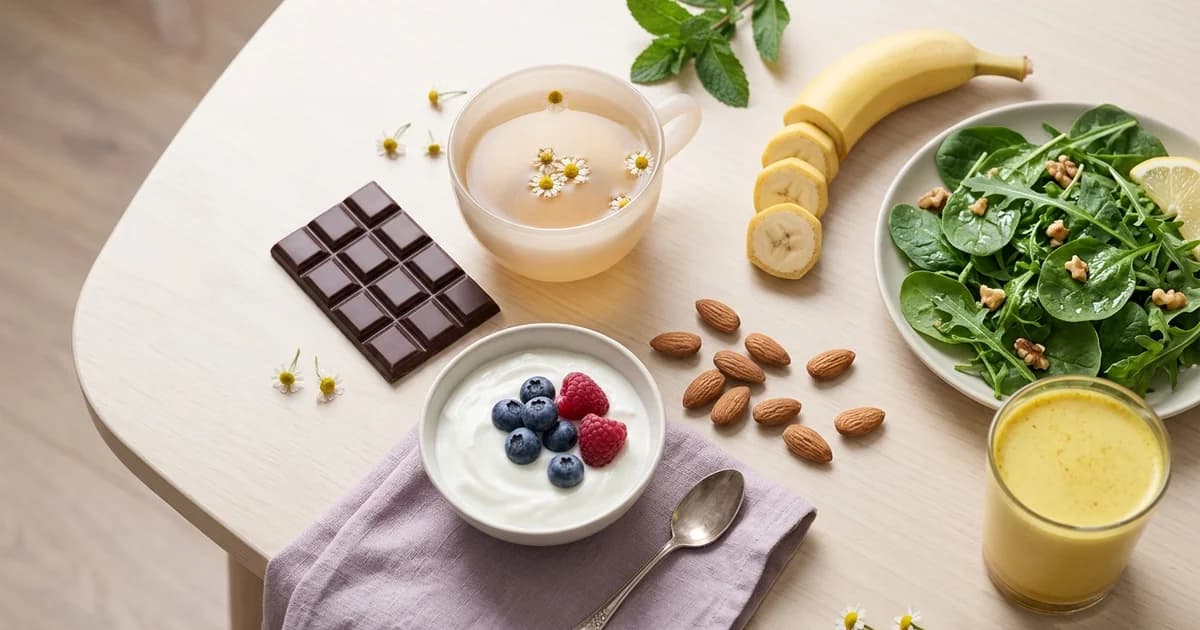
- Snack: A handful of walnuts and a square of dark chocolate
- Dinner: Slow-Cooked Beef and Root Vegetable Stew (recipe below)
Featured recipes: The Ginger-Turmeric Porridge and the Beef and Root Vegetable Stew are both designed for this week. The porridge is anti-inflammatory and gentle on a tired stomach. The stew is iron-heavy and deeply warming.
Ginger-Turmeric Porridge with Dates
Ingredients
- 80 g rolled oats
- 250 ml oat milk
- 1 tsp fresh grated ginger
- 1/2 tsp turmeric
- 2 Medjool dates, chopped
- 1 tbsp almond butter
- pinch of cinnamon
- pinch of salt
Instructions
- 1Combine oats, oat milk, ginger, turmeric, and salt in a saucepan.
- 2Cook over medium heat, stirring regularly, for about 5 minutes until thick and creamy.
- 3Transfer to a bowl, top with chopped dates, almond butter, and a dusting of cinnamon.
Nutrition: 452 kcal · 12 g protein · 66 g carbs · 15 g fat
View recipe →Slow-Cooked Beef and Root Vegetable Stew
Ingredients
- 400 g stewing beef
- 2 carrots
- 1 parsnip
- 1 sweet potato
- 1 onion
- 2 cloves garlic
- 400 ml beef bone broth
- 1 tbsp tomato paste
- 1 tsp turmeric
- salt and pepper
- 1 tbsp olive oil
Instructions
- 1Heat olive oil in a heavy pot over medium-high heat and brown the beef in batches.
- 2Add diced onion and garlic, cook until soft.
- 3Add chopped carrots, parsnip, and sweet potato.
- 4Stir in tomato paste and turmeric.
- 5Pour in bone broth, bring to a simmer, cover, and cook on low heat for 90 minutes until beef is tender.
- 6Season with salt and pepper and serve warm.
Nutrition: 358 kcal · 26 g protein · 23 g carbs · 17 g fat
View recipe →If you're vegetarian, swap the beef stew for a red lentil and sweet potato stew with the same spices. The iron content won't be identical (non-heme iron absorbs less efficiently), but pairing it with vitamin C from a squeeze of lemon or some bell pepper closes the gap significantly.
For more on what to eat during your period specifically, the period foods guide goes deeper.
Week 2: Follicular Phase (Days 8 to 14)
Estrogen is climbing, energy is returning, and your insulin sensitivity is at its best. This is the week where your body handles carbs well, digestion tends to be smoother, and you can get away with lighter, more adventurous meals.
Daily priorities:
- Sprouted grains and legumes: sprouted lentils, soaked oats, quinoa
- Fermented foods: sauerkraut, kefir, kimchi, live yogurt
- Lean protein: eggs, chicken, fish, tofu
- Cruciferous vegetables: broccoli, cauliflower, rocket, radish
Sample day:
- Breakfast: Two eggs on sourdough with sauerkraut and avocado
- Lunch: Sprouted Lentil and Salmon Bowl (recipe below)
- Snack: Apple slices with almond butter
- Dinner: Stir-fried tofu with broccoli, quinoa, and a miso dressing
Featured recipe: The Sprouted Lentil and Salmon Bowl is a follicular-phase staple in our house. The sprouted lentils are easier to digest, the salmon brings omega-3s, and the rocket adds that bitter edge that supports liver function during estrogen metabolism.
Sprouted Lentil and Salmon Bowl
Ingredients
- 200 g sprouted lentils
- 2 salmon fillets
- 1 bunch rocket
- 1 avocado
- 1 lemon
- 2 tbsp olive oil
- 1 tbsp tahini
- salt and pepper
Instructions
- 1Cook sprouted lentils in salted water for 15 minutes, drain and let cool slightly.
- 2Season salmon fillets with salt, pepper, and lemon juice.
- 3Pan-sear salmon skin-side down for 4 minutes, flip and cook 3 more minutes.
- 4Arrange rocket in bowls, top with lentils and flaked salmon.
- 5Slice avocado on top, drizzle with olive oil and tahini, squeeze remaining lemon over everything.
Nutrition: 540 kcal · 33 g protein · 31 g carbs · 31 g fat
View recipe →Marie wrote a detailed piece on follicular phase foods if you want the full breakdown of why these choices matter.
Week 3: Ovulation (Days 15 to 21)
Estrogen peaks, testosterone has a brief spike, and many women feel their most energetic and social. Nutritionally, this is the time to focus on anti-inflammatory foods and antioxidants. Your body temperature starts rising after ovulation, and your metabolism begins to shift.
Daily priorities:
- Omega-3 fatty acids: oily fish, chia seeds, flaxseed, walnuts
- Antioxidant-rich produce: berries, tomatoes, bell peppers, leafy greens
- Fibre: to support estrogen clearance through the gut
- Lighter cooking: salads, grain bowls, grilled proteins
Sample day:
- Breakfast: Smoothie with berries, spinach, flaxseed, and kefir
- Lunch: Grilled Mackerel with Fennel and Citrus Salad (recipe below)
- Snack: Broccoli Sprout and Chickpea Grain Bowl (recipe below)
- Dinner: Grilled chicken with roasted bell peppers, cherry tomatoes, and a big green salad
Omega-3 terms, simply explained: ALA stands for alpha-linolenic acid, the omega-3 fat found in flaxseed and walnuts. EPA (eicosapentaenoic acid) and DHA (docosahexaenoic acid) are other omega-3 fats found in oily fish and certain algae oils. Your body converts only a limited amount of ALA into EPA and DHA. More on these differences: NIH.
Featured recipes: The Grilled Mackerel with Fennel and Citrus Salad is ovulation eating at its best. The mackerel is loaded with EPA and DHA, the fennel supports digestion, and the citrus gives you vitamin C for iron absorption. The Broccoli Sprout and Chickpea Grain Bowl works as a snack or a light lunch and packs sulforaphane from the sprouts.
Grilled Mackerel with Fennel and Citrus Salad
Ingredients
- 2 whole mackerel, cleaned
- 1 fennel bulb, thinly sliced
- 1 orange, segmented
- 1 grapefruit, segmented
- handful of fresh mint
- 2 tbsp olive oil
- 1 tbsp white wine vinegar
- salt and pepper
Instructions
- 1Score mackerel skin and season inside and out with salt and pepper.
- 2Grill or pan-fry mackerel for 4 minutes per side until skin is crispy and flesh is cooked through.
- 3Toss fennel, orange segments, grapefruit segments, and mint in a bowl.
- 4Dress with olive oil and white wine vinegar.
- 5Serve mackerel on top of the citrus salad.
Nutrition: 462 kcal · 31 g protein · 18 g carbs · 29 g fat
View recipe →Broccoli Sprout and Chickpea Grain Bowl
Ingredients
- 150 g cooked quinoa
- 100 g chickpeas (cooked or canned)
- 1 cup broccoli sprouts
- 1/2 cucumber, diced
- 1 carrot, grated
- 2 tbsp hummus
- 1 tbsp lemon juice
- 1 tbsp olive oil
- salt and pepper
Instructions
- 1Arrange quinoa as the base in a bowl.
- 2Top with chickpeas, broccoli sprouts, cucumber, and grated carrot.
- 3Dollop hummus on the side.
- 4Drizzle with olive oil and lemon juice, season with salt and pepper.
Nutrition: 448 kcal · 16 g protein · 56 g carbs · 18 g fat
View recipe →If you want to understand the omega-3 connection in more detail, our omega-3 for hormonal balance article covers the research.
Week 4: Luteal Phase (Days 22 to 28)
Progesterone rises and then falls toward the end of this week. Cravings hit, sleep can get weird, and PMS symptoms show up for many women. This is the week where nutrition can make the biggest noticeable difference to how you feel.
Daily priorities:
- Complex carbs: sweet potatoes, brown rice, oats, whole-grain bread
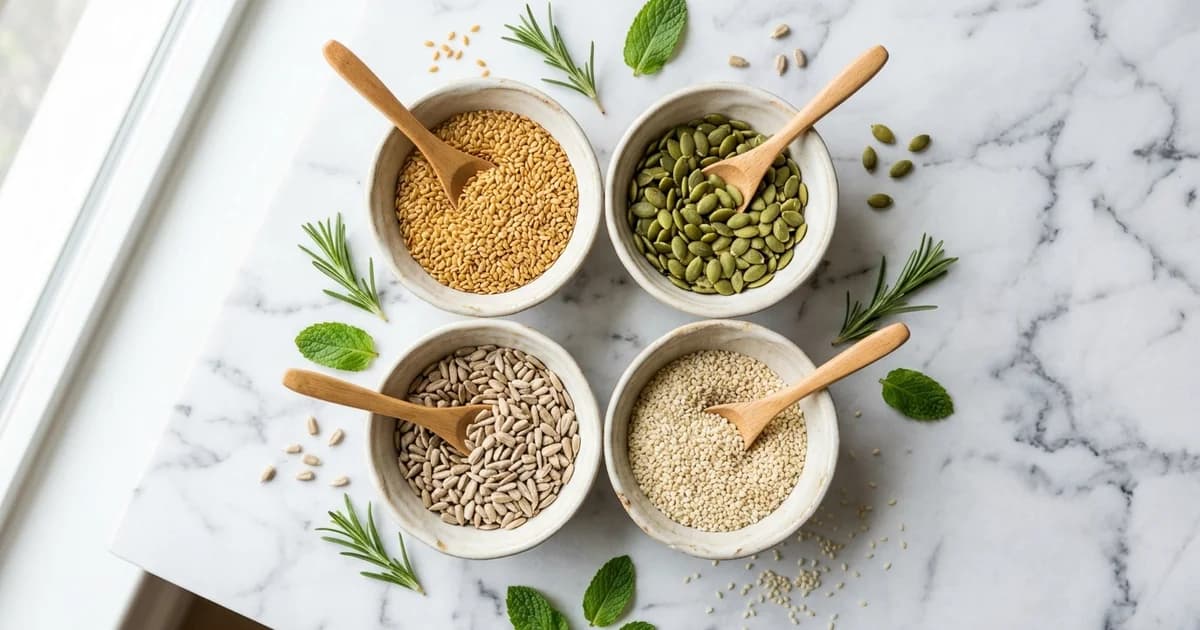
- Magnesium-rich foods: dark chocolate, pumpkin seeds, almonds, spinach, black beans
- B6 sources: chicken, salmon, chickpeas, bananas
- Blood-sugar stability: balanced meals with protein, fat, and fibre at every sitting
Sample day:
- Breakfast: Overnight oats with banana, pumpkin seeds, and cinnamon
- Lunch: Sweet Potato and Black Bean Tacos (recipe below)
- Snack: Dark Chocolate Pumpkin Seed Bark (recipe below)
- Dinner: Baked salmon with brown rice, steamed broccoli, and tahini drizzle
Featured recipes: The Sweet Potato and Black Bean Tacos are comfort food that won't crash your blood sugar. The combination of complex carbs from the sweet potato, plant protein from the black beans, and healthy fats from the avocado keeps you steady. The Dark Chocolate Pumpkin Seed Bark is a luteal-phase treat that actually serves a purpose: dark chocolate and pumpkin seeds are two of the best food sources of magnesium, and the magnesium and your cycle article explains why that matters so much in this phase.
Sweet Potato and Black Bean Tacos
Ingredients
- 2 medium sweet potatoes, cubed
- 1 can black beans, drained
- 1 tsp cumin
- 1 tsp smoked paprika
- 1/2 tsp chili flakes
- 1 lime
- 8 small corn tortillas
- 1 avocado
- handful of fresh coriander
- 2 tbsp olive oil
- salt
Instructions
- 1Preheat oven to 200 C. Toss sweet potato cubes with olive oil, cumin, paprika, and salt.
- 2Roast for 25 minutes until golden and soft.
- 3Warm black beans in a small pan with chili flakes and a squeeze of lime.
- 4Warm tortillas in a dry pan.
- 5Assemble tacos with sweet potato, black beans, sliced avocado, and fresh coriander.
- 6Squeeze remaining lime over the top.
Nutrition: 386 kcal · 11 g protein · 56 g carbs · 14 g fat
View recipe →Dark Chocolate Pumpkin Seed Bark
Ingredients
- 200 g dark chocolate (70% or higher)
- 60 g raw pumpkin seeds
- 30 g dried cranberries
- 1 tbsp flaked sea salt
- 1 tsp ground cinnamon
Instructions
- 1Melt chocolate in a double boiler or microwave in 30-second bursts, stirring between.
- 2Line a baking tray with parchment paper.
- 3Pour melted chocolate onto parchment and spread evenly to about 5 mm thickness.
- 4Scatter pumpkin seeds, cranberries, sea salt, and cinnamon over the surface.
- 5Refrigerate for at least 1 hour until set, then break into pieces.
Nutrition: 178 kcal · 4 g protein · 16 g carbs · 12 g fat
View recipe →For more on managing cravings during this window, the sugar cravings guide is worth a read.
Putting It All Together: Practical Tips
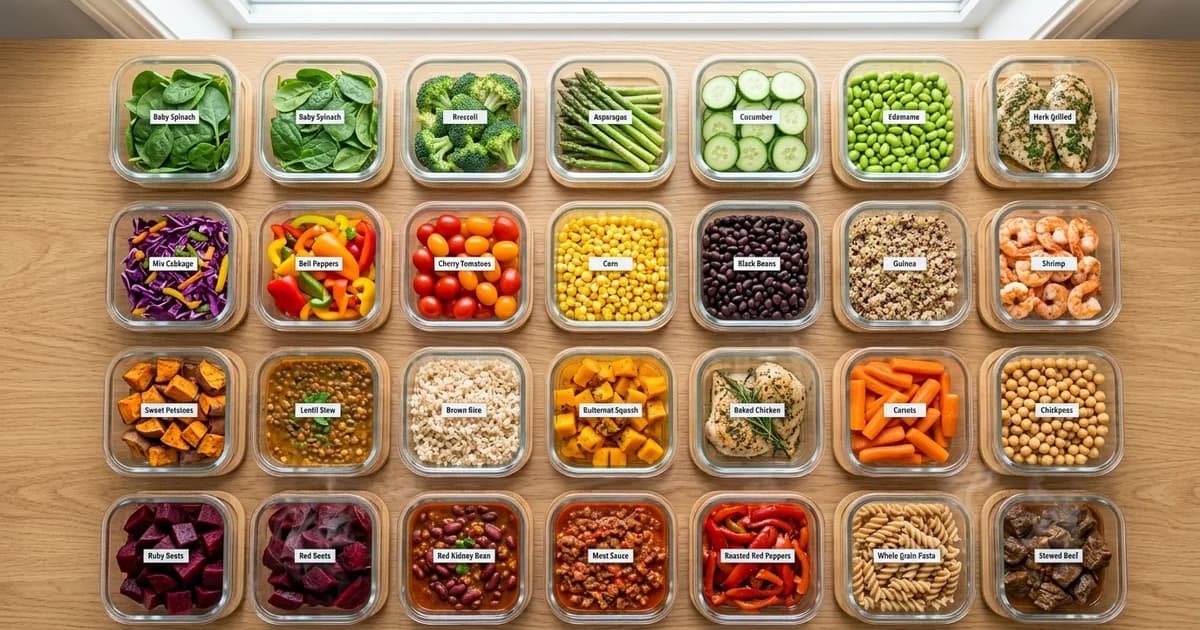
Batch cooking saves the plan. I usually spend an hour on Sunday prepping components: cook a pot of grains, roast a tray of vegetables, make a big batch of soup or stew. This means weeknight dinners come together in under 15 minutes.
You don't need to follow this rigidly. If you're in your luteal phase but fancy the mackerel salad from Week 3, eat it. The phase recommendations are nudges based on what your body tends to need, not rules. A 2024 review in Nutrients found that dietary patterns can influence PMS symptoms, with high intake of fresh, unprocessed foods linked to fewer symptoms, but the effect sizes are modest and individual variation is large.
Track how you feel, not just what you eat. The whole point of cycle syncing is to notice patterns. Keep a simple note each day about energy, mood, digestion, and cravings. After two or three cycles, you'll see what works for you and what doesn't.
Protein at every meal. Regardless of which phase you're in, aiming for 20 to 30 grams of protein per meal stabilises blood sugar and supports hormone production. The DGE recommends 0.8 g protein per kg body weight as a minimum for healthy adults, though many women do better with slightly more.
Grocery List Template
Here's a general weekly shopping list that covers the building blocks for all four weeks. Adjust quantities based on your household size.
Proteins: eggs, salmon, chicken thighs, canned chickpeas, canned black beans, tofu, lentils (or sprouted lentils)
Grains and carbs: rolled oats, quinoa, brown rice, sourdough bread, corn tortillas, sweet potatoes
Vegetables: spinach, rocket, broccoli, cauliflower, fennel, carrots, bell peppers, cucumber, onions, garlic, ginger
Fruits: lemons, limes, oranges, bananas, berries (fresh or frozen), avocados, dates
Fats and extras: olive oil, tahini, almond butter, walnuts, pumpkin seeds, dark chocolate (70%+), sauerkraut, kefir, miso paste
Spices: turmeric, cumin, cinnamon, smoked paprika, chili flakes, sea salt, black pepper
Frequently Asked Questions
Can I follow this plan if my cycle is longer or shorter than 28 days?
Yes. Think of it as four phases rather than four strict weeks. If your cycle runs 32 days, your luteal phase is likely the one that stretches. If it's 25 days, your follicular phase might be shorter. Track your cycle with an app or calendar and shift the weeks accordingly. The food recommendations still apply to each phase regardless of timing.
What if I'm on hormonal birth control?
Hormonal contraceptives suppress or alter natural hormonal fluctuations, so the phase-specific rationale behind this plan becomes less clear-cut. You can still follow the plan as a general healthy-eating framework. The foods recommended here are nutritious regardless of your hormonal status. Just don't expect the same phase-specific effects.
Is this plan suitable for vegetarians or vegans?
Absolutely. Swap animal proteins for plant-based equivalents: lentils, chickpeas, black beans, tofu, tempeh. Replace bone broth with vegetable broth. Use fortified plant milks. The only thing to watch carefully is iron and B12 intake, especially during Week 1. A PubMed review on iron status in vegetarian women notes that ferritin levels tend to be lower, so pairing plant-based iron with vitamin C is especially important.
Do I need to meal-prep everything in advance?
No. Batch cooking helps, but even following the daily priorities without the specific recipes will get you 80% of the benefit. The plan is a framework, not a checklist.
Medical Disclaimer
This article is not medical advice. It's a general nutrition template based on publicly available research and personal experience. If you have a diagnosed condition (PCOS, endometriosis, thyroid issues, diabetes), are pregnant, or have a history of disordered eating, please work with a registered dietitian or healthcare provider before making significant dietary changes. The recipes and meal suggestions here are meant as a starting point, not a clinical intervention.
If you're new to cycle syncing as a concept, the beginner's guide to cycle syncing is a good place to start before layering in a meal plan.
Josef