The follicular phase starts on the first day of menstrual bleeding and ends at ovulation. Food guides sometimes use the name for the days after bleeding, but biologically menstruation overlaps this phase.
These meal ideas cover both the background and practical food choices. They do not promise a better ovulation or an easier next period, and they do not require a rigid calendar.
What happens during the follicular phase?
FSH helps follicles develop in the ovaries, and oestrogen generally rises as a dominant follicle develops. Progesterone remains comparatively low before ovulation. The timing varies; a 28-day diagram is an illustration rather than your timetable. See the NHS explanation of the menstrual cycle.
Some people notice changes in appetite, mood or interest in activity, but feeling energetic, sociable or mentally sharper is not universal. A phase cannot explain every symptom, and changes in insulin-related measures do not mean everyone should follow different carbohydrate rules.
Three nutrition questions, with their limits
Hormone metabolism: the liver and gut participate in processing hormones, and researchers study the microbiome's role. This does not establish that a particular fermented food clears excess oestrogen or prevents later PMS.
Normal development and adequate nutrients: protein, zinc, selenium, B vitamins and other nutrients are part of normal nutrition. Eating more than needed does not guarantee better egg quality or fertility.
After menstrual blood loss: iron intake can be relevant, especially with heavy bleeding. Blood loss does not automatically mean deficiency, and fatigue is not diagnostic. Vitamin C can help absorption of plant iron, but there is no fixed doubling for every meal. The NIH iron fact sheet explains absorption and the relevance of heavy menstrual bleeding. See our iron guide.
Fermented foods
Sauerkraut, kimchi, kefir, yoghurt, miso, tempeh and fermented pickles offer different flavours. They are optional, and not all contain live cultures when eaten. Pasteurised dairy can be used to make yoghurt with live cultures; raw milk is not required.
Try a small side of sauerkraut, yoghurt at breakfast or miso in a meal if you like them. Tolerance varies. You do not have to eat something that repeatedly causes symptoms, and no daily serving has been established for hormone balance. Our gut health article discusses the wider pattern.
Protein: enough, without a phase-specific quota
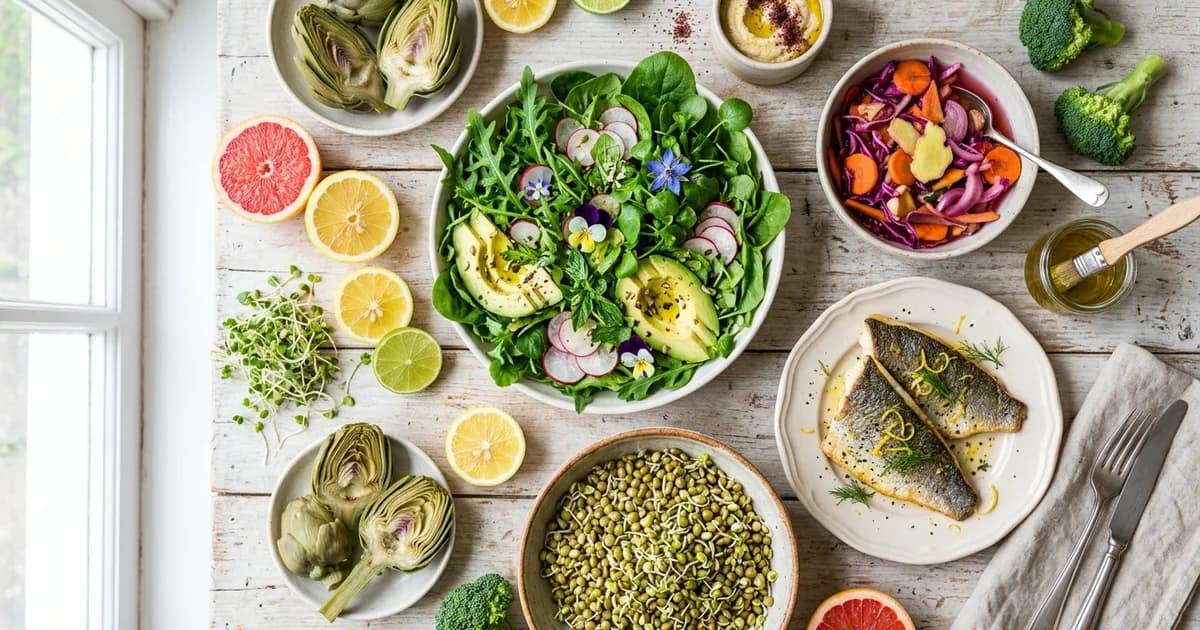
Salmon, chicken, turkey, lentils, chickpeas, tofu, eggs and dairy offer different protein sources. Protein needs do not automatically fall in this phase, and a universal target per meal is not necessary here.
Choose combinations that satisfy you. A protein powder can be a convenience in some circumstances, but it is not required for follicular development. Fish and plant foods also differ in their omega-3 forms; see EPA, DHA and ALA.
Sprouted grains, legumes and other starches
Sprouting or soaking changes some food properties, but it does not make every sprout easier to digest or remove all food-safety concerns. Cook sprouts thoroughly and prepare legumes according to their instructions. The FDA advises people at higher risk of foodborne illness to avoid raw or lightly cooked sprouts.
Options include cooked sprouted lentils or mung beans, buckwheat, quinoa, wholemeal sourdough and oats soaked overnight in the fridge. Soaking oats with yoghurt is not automatically a controlled fermentation. Ordinary cooked grains and beans work too; sprouting is not a requirement for hormone metabolism.
Greens, crucifers, berries and citrus
Rocket, lamb's lettuce, spinach and chard add folate and other nutrients. Broccoli, cauliflower, kale, radishes and watercress add variety; chicory and artichoke can provide different flavours. Their bitterness does not prove they «detox» the liver.
Raspberries, blueberries, oranges and other citrus add fruit choices. Frozen berries are useful too, following their cooking instructions. Grapefruit can interact with some medicines, so check your individual guidance rather than treating every fruit as interchangeable in that situation.
A sample day from the collection
Breakfast: yoghurt with oats, blueberries, flaxseed and a little lemon, using flax suitable for that preparation.
Lunch: quinoa with cooked lentils, rocket, avocado, sauerkraut if wanted and grilled chicken or tofu.
Snack, if hungry: fruit or almonds.
Dinner: roasted vegetables with salmon or tofu and millet. Portions depend on your needs; this is not a calculated nutrient prescription.
More meal ideas
Eggs on sourdough with avocado and kefir make another breakfast. For lunch, combine rocket, fennel, chickpeas, tomatoes, carrot and an egg or salmon. Dinner can be cauliflower with tahini, quinoa, chicken or tempeh and sautéed kale. Green tea or chocolate can fit according to preference. Keep the variety without treating any of these as a guaranteed symptom strategy.
What to adjust, rather than forbid
Consider how alcohol, caffeine, long gaps between meals or a pattern dominated by snacks affects your own routine. Caffeine may disturb sleep, but breast tenderness is not a signal that your liver needs detoxification. A doughnut is not a failure and seed oils are not inherently hormone-disrupting.
If you notice cravings, explore regular meals and changing hunger rather than restricting whole food groups. Clinical dietary restrictions are a separate matter.
How this connects to the rest of the cycle
Adequate food matters throughout the month. It does not follow that a «good» follicular week guarantees a gentle luteal phase or that symptoms mean you ate badly earlier.
Read about ovulation, the luteal phase or cycle syncing basics. These are ways to organise information, not a chain of outcomes you must control through meals.
Frequently asked questions
When does the follicular phase begin, and how long is it?
It starts on the first day of menstrual bleeding and ends at ovulation. Its duration varies, so a fixed day count cannot confirm ovulation or explain every irregular cycle.
Can I eat carbohydrates?
Yes. Oats, rice, bread, fruit and legumes can fit. There is no need to ban them or wait for a phase when they become «allowed».
Do I need supplements in this phase?
Not automatically. A diagnosed deficiency or other individual need may require a specific plan, but the phase alone is not an indication. Do not take iron on the assumption that bleeding always caused deficiency.
What if my cycle is irregular?
The meals remain usable, but calendar phase estimates are less certain. Repeatedly missing periods or concerning changes should be assessed. Food choices cannot establish the cause.
What about the pill or cycles without ovulation?
Many hormonal contraceptives suppress ovulation, and their bleeding pattern may not follow a natural ovulatory cycle. The food ideas still work without forcing a day-14 model.
Must I eat fermented foods every day?
No. Use them if you enjoy and tolerate them. There is no established daily dose for the cycle.
Can I eat the same foods all month?
Yes. Repetition can make cooking easier. You do not need to redesign every meal with each phase.
Is coffee or dairy okay?
Both depend on preferences, tolerance and individual guidance. Dairy alternatives vary in protein and fortification. Caffeine needs particular consideration in pregnancy and when it affects sleep; the follicular phase does not make an unlimited amount harmless.
For cooking, choose from our ten follicular-phase recipes. The breakfast guide and 28-day meal ideas offer more options. Persistent symptoms deserve individual medical advice.