Ovulation often receives only a short paragraph in food guides. It can be useful to understand what happens, but it does not require a new shopping list for one exact day. These ideas cover fruit, vegetables, omega-3 sources, zinc, fluids and fibre, with practical meals and their limits.
What happens around ovulation?
A mature follicle releases an egg following hormonal signals, including an LH surge. Oestrogen rises before ovulation; afterwards the corpus luteum develops and progesterone increases. Ovulation is an event, while guides often call the days around it an «ovulatory phase». The NHS cycle overview explains these hormonal changes.
It is not always day 14. A calendar estimates timing and cannot confirm that ovulation happened. Basal temperature changes are mainly retrospective, and changes in mood, skin or libido are neither universal nor reliable confirmation.
Research considers inflammatory processes and oxidative stress in reproduction. That does not establish a special meal that makes ovulation «cleaner», improves egg quality or prevents PMS later. Adequate nutrition matters throughout the cycle rather than only during a narrow window.
Five food groups to vary
Fruit and other sources of plant compounds
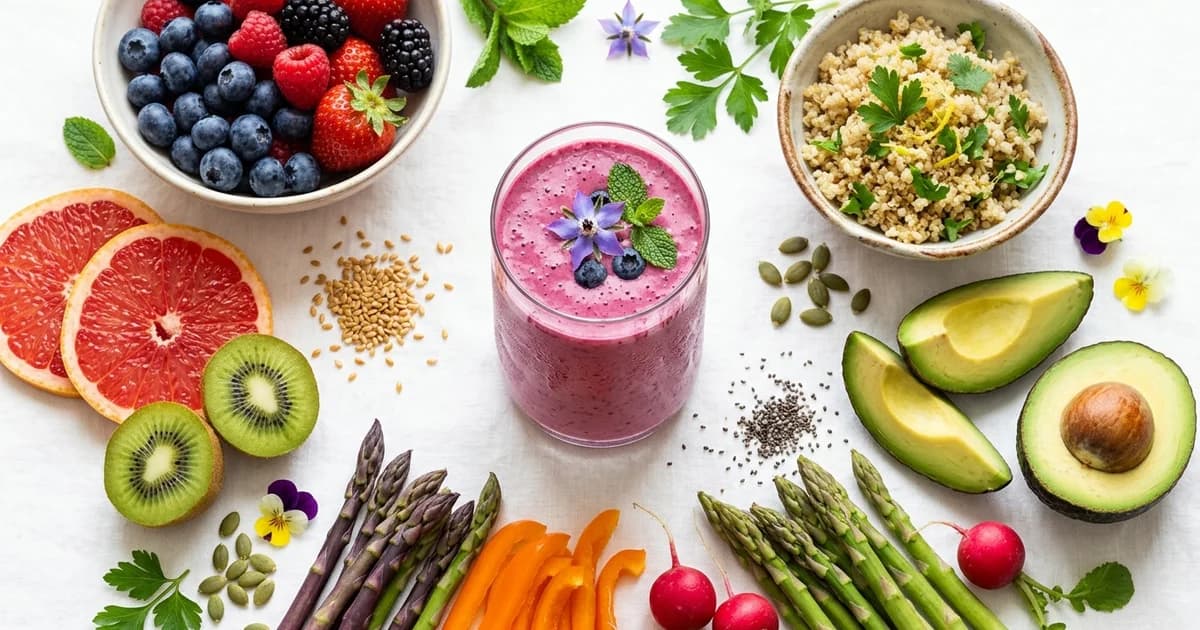
Blueberries, raspberries, blackberries, strawberries, cherries and pomegranate offer colour, fibre and flavour. Add them to yoghurt or porridge. Frozen berries can be convenient, following any cooking instructions on the packet.
Plant compounds such as anthocyanins are studied, but a colourful bowl is not a fertility treatment. No antioxidant supplement is required to complete the meal.
Crucifers and leafy greens
Broccoli, cauliflower, Brussels sprouts, kale, rocket and pak choi offer different textures. Spinach, chard, watercress and lamb's lettuce are other options. Steam, roast or sauté according to preference and food safety needs.
Research on indole compounds and hormone metabolism does not prove that a portion removes excess oestrogen. One salad idea is spinach with roasted broccoli, blueberries, feta, pumpkin seeds, olive oil and lemon.
Fish and plant omega-3 sources
Salmon, mackerel, sardines and herring provide EPA and DHA. Anchovies on toast offer another flavour. Flaxseed, chia and walnuts mainly provide ALA, which converts only partly to EPA/DHA. These sources are not identical.
People who do not eat fish can discuss whether algae oil suits their overall intake and circumstances. It is not automatically needed because of a cycle phase. Our omega-3 guide explains the difference without a hormone-balancing promise.
Zinc-containing foods
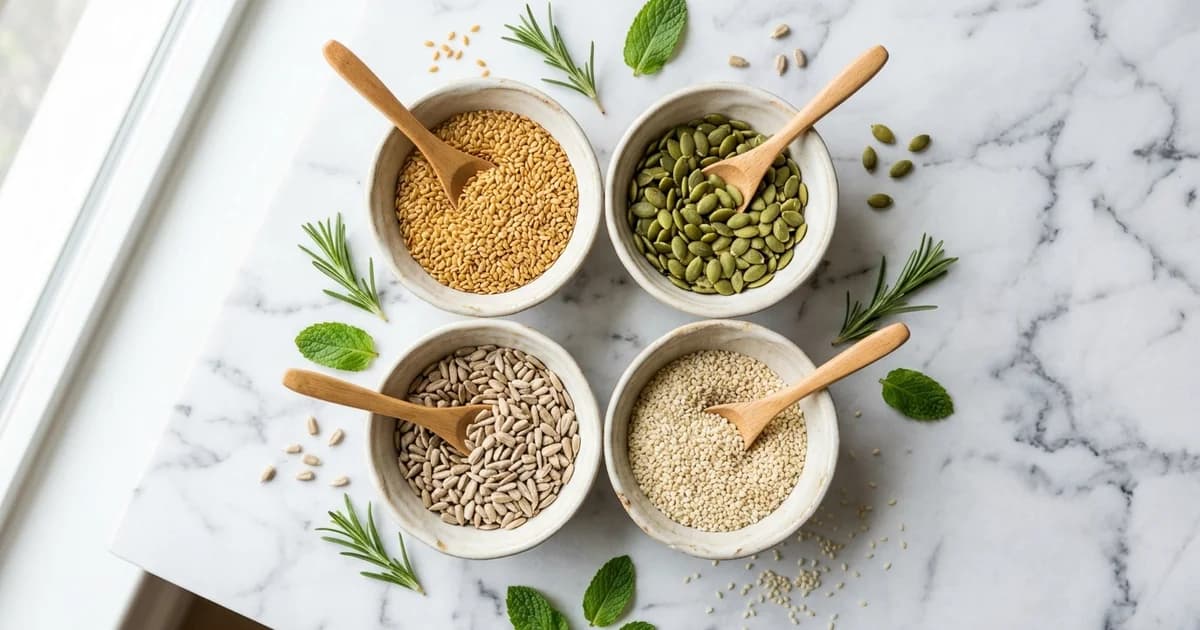
Pumpkin seeds, cashews, lentils, chickpeas, oats and beef are possible sources. Oysters are another, if they fit your preferences and relevant food-safety guidance. Normal zinc function does not mean extra zinc improves ovulation in everyone.
Scatter seeds over a salad, add beans to a meal or use oats at breakfast. A handful is a food portion, not a therapeutic dose.
Colourful vegetables
Pepper, tomato, carrot and beetroot provide variety. Try pepper sticks with hummus, tomato in a grain bowl or cooked beetroot in salad. Raw is not automatically better; choose cooked versions when preferred or appropriate.
Fluids and fibre deserve attention too
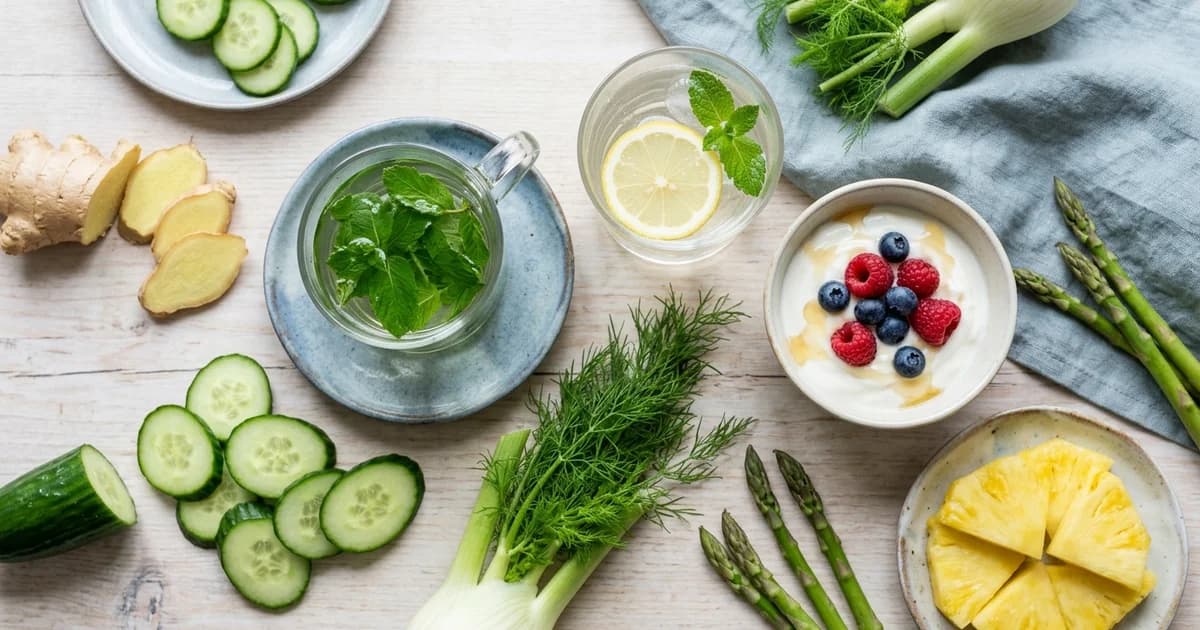
Drink regularly according to your needs, with adjustments for heat, activity or individual guidance. Drinking water does not confirm ovulation, guarantee cervical mucus quality or treat pelvic pain.
Wholegrains, legumes, fruit, vegetables and seeds can contribute fibre. Increase it gradually according to tolerance, as described in the NIDDK guidance on fibre and fluids. It belongs in the diet throughout the month, not only to «clear» an oestrogen peak. The gut's involvement in hormone metabolism does not make a high-fibre meal a detox protocol.
A sample day from the collection
Breakfast: overnight oats with flaxseed, chia, blueberries and Greek yoghurt, using ingredients suitable for the preparation.
Lunch: salad with steamed broccoli, chickpeas, pumpkin seeds, rocket and salmon or a suitable protein alternative.
Snack, if wanted: pepper sticks with hummus.
Dinner: Brussels sprouts and sweet potato with fish or tofu. These meals are examples, not a calculated nutrient or fertility plan.
More meal options
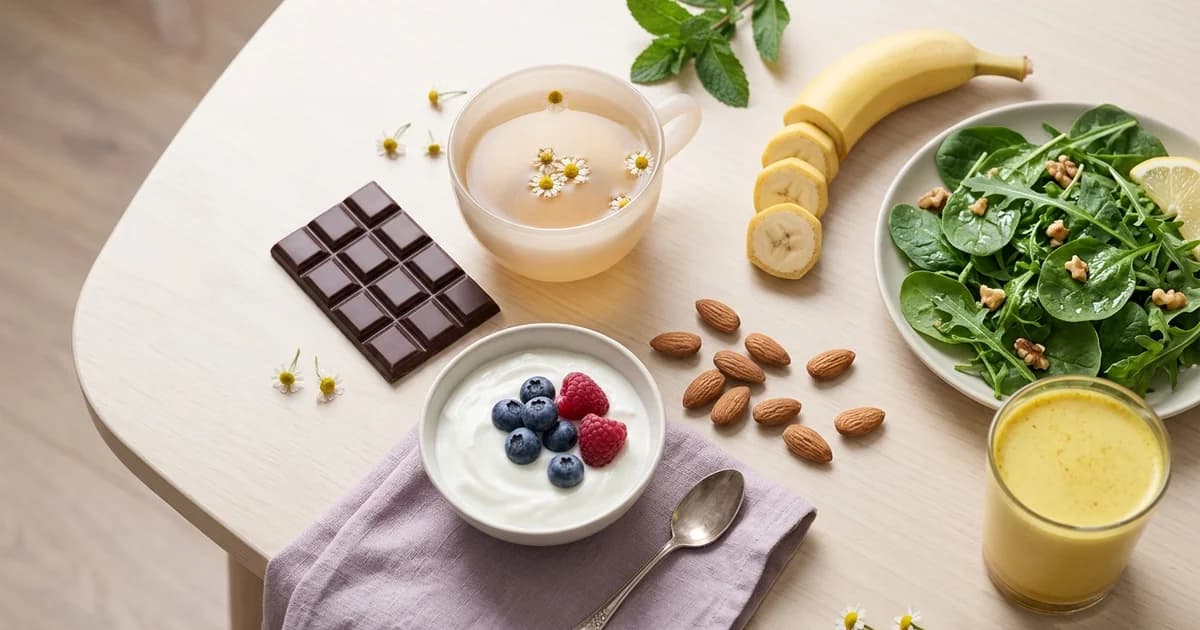
Yoghurt with berries, seeds and honey offers another breakfast. Apple with almond butter can be a snack. The spinach-broccoli-feta salad can be topped with salmon. For dinner, combine roasted cauliflower, tahini, quinoa, kale and an egg, with sauerkraut if you enjoy it. Green tea, chocolate, walnuts or chamomile tea can fit preferences without a special hormone role.
What might you change?
Consider whether caffeine or alcohol affects sleep and your wider health context. Pregnancy plans and medicines can change advice. There is no special permission to drink alcohol in one phase or a universal caffeine amount expressed simply as «two cups».
If highly processed snacks dominate meals, adding more substantial food may be useful. Seed oils should not be described as inherently inflammatory, and an exact omega-6/omega-3 ratio is not a personal ovulation target. There is no need for adaptogenic powders or a universal protein quota per meal.
How this fits into the cycle
Ovulation links the follicular phase and luteal phase. Symptoms later in the month do not prove that you ate badly around ovulation. A varied diet cannot guarantee a smoother next phase.
Our cycle syncing introduction explains using phases as a way to organise observations, rather than a treatment schedule.
Frequently asked questions
How do I know when I ovulate?
LH tests, cervical mucus observations and temperature charts provide different clues with limits. A calendar alone does not confirm ovulation. Read basal temperature basics and seek advice for persistent concerns. These food ideas are not contraceptive guidance.
Should I eat less or fast because I feel energetic?
Feeling energetic does not mean you need less food. There is no requirement to fast or restrict on an estimated ovulation day. Respond to hunger and overall needs, with support if eating becomes distressing.
Do I need extra calories?
No universal increase is prescribed for ovulation here. Needs vary, and a phase label cannot calculate your intake. Do not substitute nutrient density for enough food.
Do antioxidant capsules help?
This guide does not establish them as a way to improve ovulation or egg quality. A specific deficiency or medical indication needs an individual plan; more antioxidants are not automatically better.
What if I am trying to conceive?
Discuss preconception care, including folic acid and medicines, with a qualified professional. These meals can be ideas within that plan, but no food list guarantees conception or replaces the advice.
What about coffee?
Consider total caffeine, cup size, sleep, symptoms and pregnancy-related guidance. The ovulation phase does not create a special universal limit or exemption.
Can I get omega-3 without fish?
Plant foods provide ALA; certain algae oils provide EPA/DHA. Whether supplementation is appropriate depends on the whole diet and circumstances, not the cycle day alone.
What if my cycle is not 28 days?
Do not force the calendar template. These meals work on other days too. Missing periods or changes that worry you merit assessment rather than a more detailed meal timetable.
Explore ten original ovulation recipes, ten foods to vary and breakfast ideas. This information does not replace individual medical care.